Spot the Signs: How to Know If Your Dog Needs Glands Squeezed & If Anal Glands Cause Smelly Odors
20 February 2026
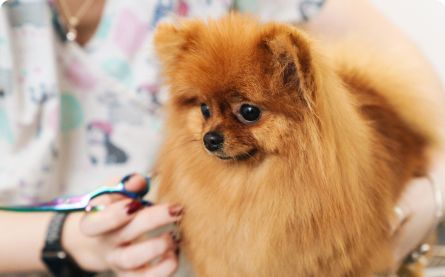
Spot if your dog needs anal glands squeezed: scoot, lick under tail, fishy odor? Learn causes, prevention & when to see a pro. UK guide from Paws Grooming Empire Ltd.
How do you know if your dog needs his glands squeezed? Most dogs in the UK clear their anal glands on their own, but some start to scoot on the carpet, lick under the tail a lot, or give off a strong fishy smell. Soft stool, food changes, or little walks in wet British weather can all play a part. The next sections break down the signs, causes, and what to do.
Understanding Anal Glands
Anal glands sit on either side of a dog’s anus and work as small scent glands, much like a personal identity stamp. Each time a healthy dog passes a firm stool, a small amount of strong-smelling fluid should squeeze out on its own, then soak into the faeces or the grass. When this does not happen, the fluid can build up, thicken, and cause pressure, pain, and a strong fishy smell. If it carries on, it may lead to infection. Knowing what these glands do, where they are, and why they go wrong helps any owner spot trouble before it turns into a stressful and often costly emergency at the vet.
Their Purpose
Anal glands make a thick, oily liquid with a scent that is unique to each dog, almost like a fingerprint in smell form. When dogs sniff each other’s rear ends in the park, they are “reading” this scent, gathering details about age, sex, health, and even mood. It might look odd on the pavement outside your flat or in a busy London park, but for dogs, it is basic social chat.
That liquid on the stool serves as a territorial marker. As the dog strolls a trail across the Downs or along a city towpath, it lays down information. It’s why some dogs are so fascinated by particular areas, returning to the same lamppost or hedge, eager to see who’s been there since.
For the glands to function effectively, they require pressure from healthy, solid poo to press against and eject. When stools are too soft or a dog strains a lot and isn’t passing very much, the glands won’t empty and fluid can remain there. Over time, it thickens, the sacs become painful and that’s when scooting, chewing at the base of the tail and strong smell tend to begin.
Their Location
The anal glands sit just under the skin, roughly at the 4 o’clock and 8 o’clock points if you picture the anus as the face of a clock. Each gland connects to the edge of the anus through a tiny duct, which is where the fluid comes out when a dog passes a stool or when a vet empties them by hand.
Because the sacs are tiny and hidden away, you won’t see them at a glance when your dog raises his tail. Initial swelling can be very subtle. You may just notice a small bulge on one side, a little redness, or your dog holding his tail when you attempt to wipe him after a muddy walk. That’s why it’s useful to know what “normal” looks like for your own dog, whether you live in an apartment and see him on clean floors all day or share a house with a garden in which he’s frequently out of view. A quick weekly peek under the tail during grooming or following a bath will give you a head start on any shape or colour changes and how your dog reacts when you touch the area.
Why Problems Occur
Anal gland trouble often links back to a few common triggers, many of which you can spot in daily life at home in the UK. Dogs that swing between loose stools and normal ones may experience this due to sudden food changes, rich table scraps, or stress. Some breeds, such as smaller spaniels, French Bulldogs, and other flat-faced dogs, can have tighter or oddly placed ducts, so fluid does not drain as it should. Skin and food allergies are another frequent cause, as they drive itch and long-term swelling around the back end, which in turn upsets the glands.
- Soft or sloppy stools that do not press on the glands
- Long‑term diarrhoea or very infrequent bowel movements
- Food allergies or intolerances often cause itchy skin or ears.
- Environmental allergies, like dust mites or pollen
- They are overweight, which can alter the way the area sits and moves.
- Poor rear end grooming, matted or dirty fur.
- Previous infections or abscesses that scar the ducts
- Breed‑related anatomy, especially in some small and brachycephalic dogs
When glands stay full, they can become impacted and then infected, forming an abscess that may burst through the skin beside the anus, which can look shocking and bleed or leak pus. Long-term, repeated issues can mask more serious disease, including tumours around the anal sacs, which are rare but important to catch early.
How to Know Your Dog Needs Glands Squeezed
Anal glands sit at roughly four and eight o’clock either side of your dog’s anus, and when they clog or get infected, they hurt. Spotting early changes in behaviour and in the skin around the back end helps you act before things turn into an impaction or abscess. It matters even more if you live with a higher-risk breed, like a German Shepherd or Dachshund, or if your dog is on the heavy side.
Monitoring their day-to-day habits is the best guide. Watch how they sit, how they groom themselves and what their poo looks like. Keep a basic record on your phone of any strange smells, scooting or licking, as well as the date and what was happening that day. That history can be invaluable in helping your vet or groomer determine whether the glands merely need expressing or if there is a more significant issue.
1. The Scoot
Scooting means your dog drags their bottom along the floor, often across a rug or the grass, sometimes with a slightly guilty look over the shoulder. One or two scoots after a soft poo may pass, but frequent scooting is a classic sign the anal glands are full, sore, or even impacted. Many owners in the UK first spot it on light carpets where a faint streak is left behind.
After an episode, check the area around the anus for sticky residue, redness, or a firm swelling to one side. Any sign of blood, yellow discharge, or your dog yelping when you look is a red flag. It could still be worms, a skin allergy, or something stuck in the fur, so take note of the whole picture rather than assuming it is always glands.
If scooting shows up more than once or twice in a week or starts to wake your dog at night, write it down and book a vet or groomer appointment for a proper anal gland check and, if needed, expression.
2. Constant Licking
Continual licking or nibbling beneath the tail is another good sign, particularly if your dog was previously not bothered about that area. It might poke its head round mid-walk or wake from sleep to lick, then settle, then restart.
Too much licking soon turns the skin raw, which can then open the door to infection and hot, angry patches. If the licking seems to increase after your dog has pooped or when your dog settles down to sleep for the night, it’s likely due to pain or pressure from the glands.
Stay alert for a sour, fishy smell or any damp patch on the fur that looks brownish or yellow. That can mean the anal glands have started to leak or are already infected and need a vet to empty and flush them, not a home fix.
3. A Fishy Smell
A strong, fishy, almost metallic odour that seems to come from nowhere is one of the clearest signs of anal gland trouble. People often first notice it on the sofa throw, on the dog’s bed, or on their own clothes after a cuddle, and normal washing powder does not quite shift it.
That smell comes from anal gland fluid leaking when the sacs are too full or inflamed and it tends to cling to carpets, car seats, and fluffy coats like those of Cockapoos and Spaniels. If it keeps coming back soon after cleaning or suddenly becomes sharper and more foul, it may mean infection or an abscess is brewing.
If the smell changes like this, don’t sit around “seeing how it goes” but instead note when you first smelt it, what your dog was doing, and get them seen so the glands can be checked and expressed before the pain increases.
4. Tail Chasing
Repetitive tail chasing or tight spinning on the spot can be your dog’s attempt to scratch an irritated, painful bottom, not just a daft game. It often sticks out in puppies and anxious dogs, who might already be a bit jumpy and overreactive themselves.
If the spinning comes with scooting, licking, or that fishy smell, anal glands shoot right to the top of the list of likely causes. If it happens during boredom, like in the lounge with no walk on the horizon, and stops as soon as you distract them with a toy or a short training drill, it may be more about play or stress relief.
It’s worth noting how often it occurs and even showing a video to your vet to rule out any rear-end pain and to establish if the glands require regular expression to keep your dog comfortable.
5. Sitting Discomfort
Reluctance to sit, sitting to one side, or popping straight back up again can all point to pain around the anus and anal glands. Some dogs shift and fidget in the car or choose to stand rather than sit at your feet in the pub, even though they used to flop down with no fuss.
You may see a little flinch, snarl or even a snap when you touch near the tail base or wipe their bottom after a sloppy stool. At home, carefully part the hair and check for swelling, redness or discharge. If your dog objects strongly, don’t force it. It can tell you something is sore.
Keep a short note of these changes in posture or temper, and take that with you to the vet. Paired with signs like scooting, licking, smell, and your dog’s breed or weight, it often points to anal glands that need checking. In many cases, regular professional emptying can stop things reaching the stage of impaction or infection.
Common Causes of Gland Issues
They’re two small pea-sized pockets that sit roughly at the 4 and 8 positions around your dog’s bottom. When they function correctly, they expel with solid stools and during routine dog-to-dog sniffing. When they don’t, they can lead to pain, infection and in very rare cases, conditions such as hypercalcaemia. Understanding what agitates them allows you to preempt mischief rather than respond to a crisis.
Diet and Stools
When a dog’s diet is low in fibre, stools tend to be soft or loose. Soft stools do not push hard enough on the anal glands as they pass, so the glands fail to empty. Over time, the fluid inside thickens and can block the narrow ducts. This is when you see scooting, licking, or that sudden jump when they try to sit.
Chronic diarrhoea or stools that alternate between hard and runny provide the setting for impaction. Most UK owners first notice an issue when the dog begins dragging their rear across the carpet, commonly in the evening following a walk. If this persists, infection can set in and a minor irritation can become an abscess in a matter of days, requiring antibiotics and potent pain relief.
To keep healthy stools, vets will commonly recommend adding fibre through food or simple supplements you can buy from most pet shops.
- Plain cooked pumpkin (unsweetened and unspiced) – a spoon stirred into feeds can help firm up loose stools.
- Brown rice provides bulk in small quantities but remains easy on the gut.
-
- Oats or oat bran are soaked and mixed with regular food to increase fibre content.
- High-fibre complete kibbles are advertised for "digestive care," which many UK companies now provide.
- Carrots or green beans, lightly cooked and chopped, fed in small daily quantities.
Breed Predisposition
Some breeds are simply more likely to struggle with glands. Small dogs such as Chihuahuas, Shih Tzus, and Miniature Poodles, along with Dachshunds and even larger breeds like German Shepherds, often appear at the vet with repeated impaction or infections. Their anatomy, including the angle of the pelvis and the way the anus sits, can make natural emptying less efficient.
These dogs usually do best with a careful routine: a steady, high-quality diet to keep stools firm, regular checks during grooming, and quick vet visits at the first sign of scooting. There are certain breeds that they [groomers] see in the UK over and over for gland checks. Crossbreeds aren’t excluded, so do keep an eye on every dog belonging to the house.
Weight and Fitness
Extra weight puts more pressure on the anal area. Fat around the rear can press on the glands and change how they sit, so they do not empty well. Overweight dogs tend to move less, which slows the gut and adds to the problem.
Gentle walks, a bit of play and basic portion control typically do the trick. Even in a little flat or terraced house, short walks and moderation in kibble will do more for them than exotic diets. Tracking your weight and daily exercise in a notebook or app helps you catch those sneaky gains before they turn into obesity.
Underlying Allergies
Allergies, both food and environmental, can inflame the skin around the anus and the lining of the anal glands. When that tissue swells, the ducts narrow and block more easily, and the glands can become infected. Dogs with itchy skin, ear infections, or constant licking under the tail often have some allergic trigger in the background.
Once the allergies are controlled, many dogs have considerably fewer gland issues and require fewer “painful expressions” or rounds of anti-inflammatory drugs.
Common allergy triggers include:
- Food proteins (beef, chicken, dairy, wheat, soya)
- House dust mites and storage mites in dry food
- Grass and tree pollens are prevalent during the UK spring half term and summer holidays.
- Flea bites and other insect bites
- Household cleaners, scented sprays, or some washing powders
The Groomer's Role
Professional groomers often spot anal gland problems before anyone else because they see your dog up close, wet, and under good light. During a normal visit, they can help with external anal gland expression, but they should never replace a vet when there are signs of pain, blood, or swelling.
What Grooming Includes
Hygiene is built into the vast majority of UK grooming salons. A full groom typically involves a bath, brush-out, coat trim or clip, nail trimming, ear cleaning and a peek under the tail. A good groomer will discreetly flag up any fishy odours, redness or your dog flinching when the back end is touched.
Some salons list anal gland expression as part of the groom. Others keep it as an optional extra and a few do not offer it at all for safety and welfare reasons. You may see it on a price list or you might need to ask at the desk. Either way, it should be clear whether they only “check” the area or actually carry out external expression.
Before you book, check what services are in the base price and what are extra. If your dog has a history of gland trouble, mention it when you ring. It can be useful for owners to request a straightforward tick-box checklist so you know whether nails were cut, ears cleaned and glands checked or expressed on the day.
External vs. Internal
Groomers, when trained, usually carry out external anal gland expression. They gently squeeze from the outside of the anus to ease out fluid. It is less invasive than going inside the rectum. If the sacs are thickened, blocked, or very sore, it may not clear everything and may even be uncomfortable for the dog.
‘Internal emptying’, carried out by a vet or vet nurse, employs a gloved, lubricated finger in the rectum to empty the sacs more thoroughly. That’s pretty much the first step for many troubled or infected glands, often along with pain relief or antibiotics. In the UK, a vet visit for this could sit in the same bracket as a quick consult, not far off the quoted £25 to £50 range elsewhere.
For dogs with chronic or recurrent problems, internal expression at the vet is often safer and more effective than regular squeezing at the salon. Even attempting any kind of internal technique at home without proper training is dangerous.
When to Ask
If your dog scoots on the carpet, licks under the tail or has a strong smell, be sure to mention it upon their drop off at the groomer. In simple terms, ask if they feel comfortable and confident to do external expression and how they determine when to stop and refer to the vet instead.
Some dogs, particularly smaller ones or those with soft stools, may require frequent checks. You can ask your groomer to check the area each visit, but your vet determines how often expression should take place. When infection, abscess or blood occurs, the groomer should fall back and work with the vet, not press on alone.
Grooming may be a normal part of some dogs’ long-term routine, but it has to be done correctly. Rough or repeated squeezing can bruise, infect or even create abscesses, so there must be calm handling, clear notations and no rushing. Let them know of any new indicators at home, such as lower body tension while attempting to poo or suddenly snapping at the base of the tail if you touch there, so they know when to be gentle and when to refer you to your vet.
When to See Your Vet
Anal gland trouble can start off as mild. When signs drag on, grow worse, or keep coming back, a vet in the UK really does need to step in and check what is going on inside the glands, not just squeeze them and hope for the best.
Signs of Infection
Infection usually begins with heat, swelling and a change in the skin around your dog’s rear. You might notice one side sticking out more than the other, the skin reddening or going purplish and your dog snapping back to lick the area repeatedly. At first there is an oozy brown discharge and later a thick, smelly fluid leaks out that can be yellow, green or tinged with blood instead.
Many dogs with infected glands seem “off colour.” They may be slow on walks, sleep more, or hide away from the family. Some run a fever, pant at rest, or refuse their food, which can look a lot like a general illness rather than something as small as an anal gland.
If an abscess develops, the pain can be acute. The skin can rupture and bleed and ooze pus, and the odour is frequently worse than regular gland fluid. That is an emergency. Call your vet the same day, even if it’s a weekend or out-of-hours evening!
It can be useful to jot down what you observe. Note down when the symptoms began, which side appears worse and how your dog acts when sitting, walking or going to the toilet. Take some clear photos of the area, if your dog will permit it, and present them to your vet. This can be helpful if the swelling alters prior to your appointment.
Persistent Problems
Some dogs go from an occasional blockage to one that feels stuck on repeat. When to see your vet If your dog requires their glands to be expressed every few weeks, if scooting and licking keep recurring, or if infections flare up more than once, that’s a persistent problem and needs more than a quick fix.
In those circumstances, a good vet will look for the cause, not just empty the glands. Food allergies can cause loose stools and persisting irritation. A few small breeds, such as Cocker Spaniels or French Bulldogs, might have narrow ducts or strange gland angles that do not drain well. Long-standing gut problems, like chronic diarrhoea, prevent the glands emptying normally when passing stools.
For obstinate, painful cases your vet may discuss more tests or even surgery. That could involve bowel motions, blood tests, scans or in some instances, extraction of the glands at a specialist facility. None of these steps should be rushed, but they’re worth an honest discussion if your dog’s quality of life is deteriorating. Follow-up visits are important here as your vet wants to see if a new diet, allergy plan or treatment is working over time.
Professional Diagnosis
A proper work-up at the vet gives you more than a quick squeeze and a guess. Most vets start with a rectal exam, gently feeling each gland from inside to check size, shape, and pain. If the fluid looks odd or there is a lot of debris, they may take a sample for cytology, which means a lab checks the cells for infection, pus, or signs of a tumour. In more complex cases, such as a hard lump on one side or a dog that strains to pass stools, they may advise imaging like ultrasound or even X-rays.
You can assist by providing a good history. Make a note of how often the scooting or licking occurs, any dietary changes, diarrhoea episodes, weight loss or skin flare-ups. Include if a groomer has been emptying the glands and how often, as well as any at-home treatments you have tried. That way, your vet has the whole story and reduces the chances of repeat visits that do not go anywhere. A correct diagnosis translates into appropriate treatment for the actual condition, such as a short course of antibiotics or pain relief, allergy control, or scheduling surgery, and avoids unnecessary squeezing that can induce more swelling.
|
Symptom / Finding |
What it May Mean |
How Vets Diagnose It |
|
Swelling, redness at the anal area |
Infection or abscess |
Rectal exam, visual check |
|
Thick, bloody, or pus‑like discharge |
Infected or ruptured gland |
Rectal exam, cytology of gland fluid |
|
Ongoing scooting and licking |
Chronic impaction or irritation |
Rectal exam, diet and history review |
|
Hard, fixed lump by one gland |
Possible tumour |
Rectal exam, imaging, biopsy |
Preventing Future Problems
Prevention means less pain for your dog and less urgent, expensive visits to the vet for you. Daily rituals of eating, exercise and self-examinations do the heavy lifting. The glands release themselves mostly and seldom become a melodrama.
Dietary Adjustments
Food moulds the stool, and the stool presses on the glands. When it is hard and bulky, the glands tend to empty in a normal poo, so you don’t need anyone to “squeeze” them.
- Start with fibre that suits your dog. A balanced diet with the right blend of protein and fibre supports firm, formed stools that pass in one smooth motion. Both soluble and insoluble fibres matter. Insoluble fibre adds bulk, while soluble fibre feeds the gut bacteria. Many owners see fewer anal gland issues once they add a measured spoon of a vet-approved fibre supplement or a high-fibre complete food.
- Ask your vet or a qualified nutritionist to create the plan. That’s all fine and good, but small and toy breeds like Chihuahuas, Pomeranians, Shih Tzus and high-risk breeds like German Shepherds and Dachshunds tend to require closer adjustment, as their narrower ducts clog more easily. A quick diet consult can save a whole lot of trial and error.
- Rotate proteins carefully and avoid known triggers. If chicken consistently gives your dog soft, shiny stools or itchy skin, it could be an allergen. That low-grade gut flare can trigger gland trouble. Switching to fish or turkey or a hydrolysed diet on your vet’s advice can soothe the gut and in turn, the glands.
- Build in gut support. Prebiotics and postbiotics, contained in some commercial diets or supplements, ensure the gut flora is functioning well, which in turn steadies the stool. You want firm, scoopable poop, not arid nuggets or mushy porridge.
Regular Exercise
‘Movement keeps them a-ticking. A brisk 30-minute walk is usually sufficient to create a distinct change in gut rhythm, allowing your dog to reliably eliminate rather than hold on.
Active dogs tend to stay lean, and less fat around the back end means less pressure on the glands and rectum. Obesity makes many anal gland problems worse, even in young dogs.
Mix the exercise: one day a brisk walk on pavements, another day fetch in the park, and some indoor play with puzzle feeders or tug toys when the weather is foul. Different kinds of movement work different muscles through your back and pelvis which can subtly assist how the stool moves.
Make detailed notes of what you do and what emerges. If you find that missed walks lead to softer stools and more scooting, that’s a pattern to share with your vet.
Routine Checks
Regular pacemaker check-ups intercept issues while they are still mild, not waiting for a complete obstruction or abscess. On routine grooms, ask the groomer to check around the back end for any redness, swelling or strong fishy smell, and book annual or even bi-annual wellness exams so your vet can palpate the glands, particularly if your dog is a higher-risk breed.
At home, notice the subtleties. A dog that begins "side-eyeing" his tail, tucking his bottom on stairs, or licking at his tail base more frequently could be indicating something long before he scoots on the carpet.
Some dogs will require their glands expressed every so often, others never once in their life. Some have a bad episode and settle after diet and exercise changes. The secret is to maintain a simple log of any symptoms, signals and treatments so your vet can determine if the trend is improving or deteriorating.
Act quickly if you notice pain, swelling or bleeding, or if your dog is yelping when he goes to the toilet. A fast ride now is much kinder and less expensive than a ruptured abscess a week on.
Anal gland stuff sounds grim, but it sits in day to day dog life, same as muddy walks and fur on the sofa. Once you spot the signs early, you cut out a lot of pain and faff for both you and your dog. Scooting on the rug, that rank fishy whiff, lots of licking under the tail, and sudden snaps if you touch the back end all flag a problem that needs quick help.
A certain percentage of dogs in the UK pass through life without gland bother. Others, such as small breed or stocky chaps, require routine checks. If in doubt, ring your vet or groomer and ask. It is better to have a swift word now than a midnight dash to the emergency vet later.
Frequently Asked Questions
How do I know if my dog needs his anal glands squeezed?
Things to look for include scooting, a strong fishy smell, licking or chewing under the tail, or sudden discomfort when sitting down. Some dogs strain to poo. If you notice any of these indications, book an appointment at the vet or with a knowledgeable groomer to have the glands checked.
Is it safe to squeeze my dog’s glands at home?
It is possible, but not always safe. Anal glands are delicate, and squeezing them incorrectly can cause pain, infection or damage. In the UK, vets and trained groomers are the safest choice. Ask them to show you first if you want to learn.
How often should my dog’s anal glands be expressed?
No set time. Many dogs never need them done. Others, especially small breeds, might need them every few weeks or months. If problems persist, your vet can recommend an ongoing management plan. This could include dietary alterations.
What happens if I ignore my dog’s anal gland problems?
Natural, untreated gland issues can cause things like infection, abscesses, excruciating pain and even ruptured glands. Treatment may include antibiotics, pain relief and occasionally surgery. If your dog is scooting or uncomfortable, it is better to see your vet early!
Can diet help prevent anal gland issues?
Yes. A high-fibre diet can often produce firm stools that help to empty the glands naturally. Your vet may advise a particular food or a fibre supplement. Never switch food suddenly and be sure to consult your vet, especially if your dog has other health concerns.
Should I see a groomer or a vet for anal gland problems?
For a one-off routine empty, a competent groomer can usually assist. If your dog is very sore, bleeding, swelling, or the issue keeps recurring, head straight to the vet. Vets can identify infection, prescribe treatment and recommend ways to prevent it.
Are some breeds more likely to have anal gland issues?
Yes. Small breeds like Spaniels, Terriers and toy breeds frequently have more gland issues. Obese dogs and dogs with soft stools are at greater risk, too. Routine checks with your vet or groomer can catch problems early in at-risk dogs.